WILDLIFE FRIENDLY PLANTS
Creating a Frog Friendly Garden
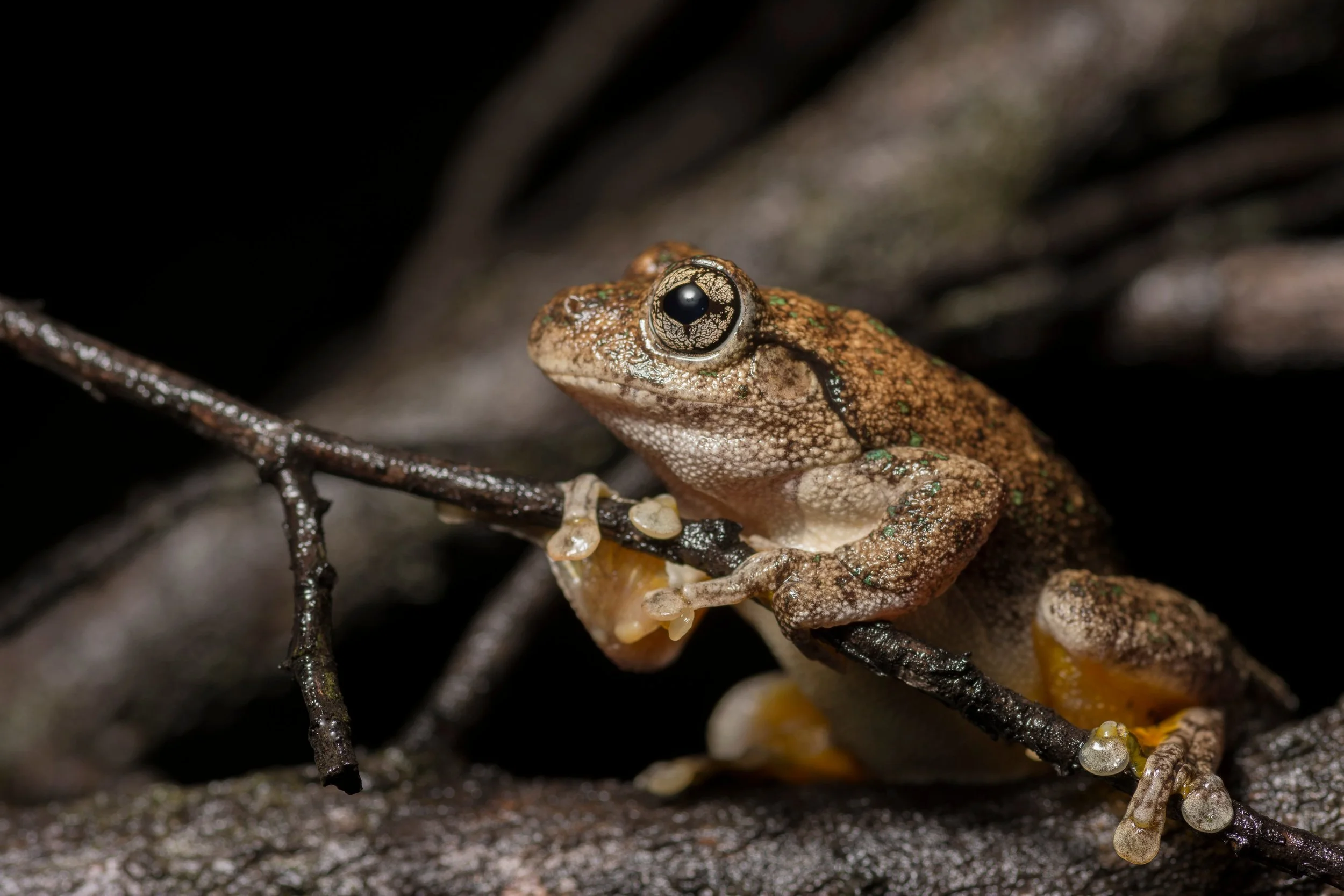
A frog friendly garden is one of the easiest ways to support local wildlife while creating a healthier, more balanced backyard. Frogs are natural pest controllers, feeding on mosquitoes, flies, slugs and many other insects that gardeners often battle. By providing water, shelter and the right plants, you can encourage these important native visitors to make themselves at home.
The good news is that you don’t need a large pond. Even a small pond or shallow water bowl can attract frogs. Place it in a position with around 2/3 shade and 1/3 sun, then surround it with dense native plants that provide protection and cool places to hide.
What to Plant
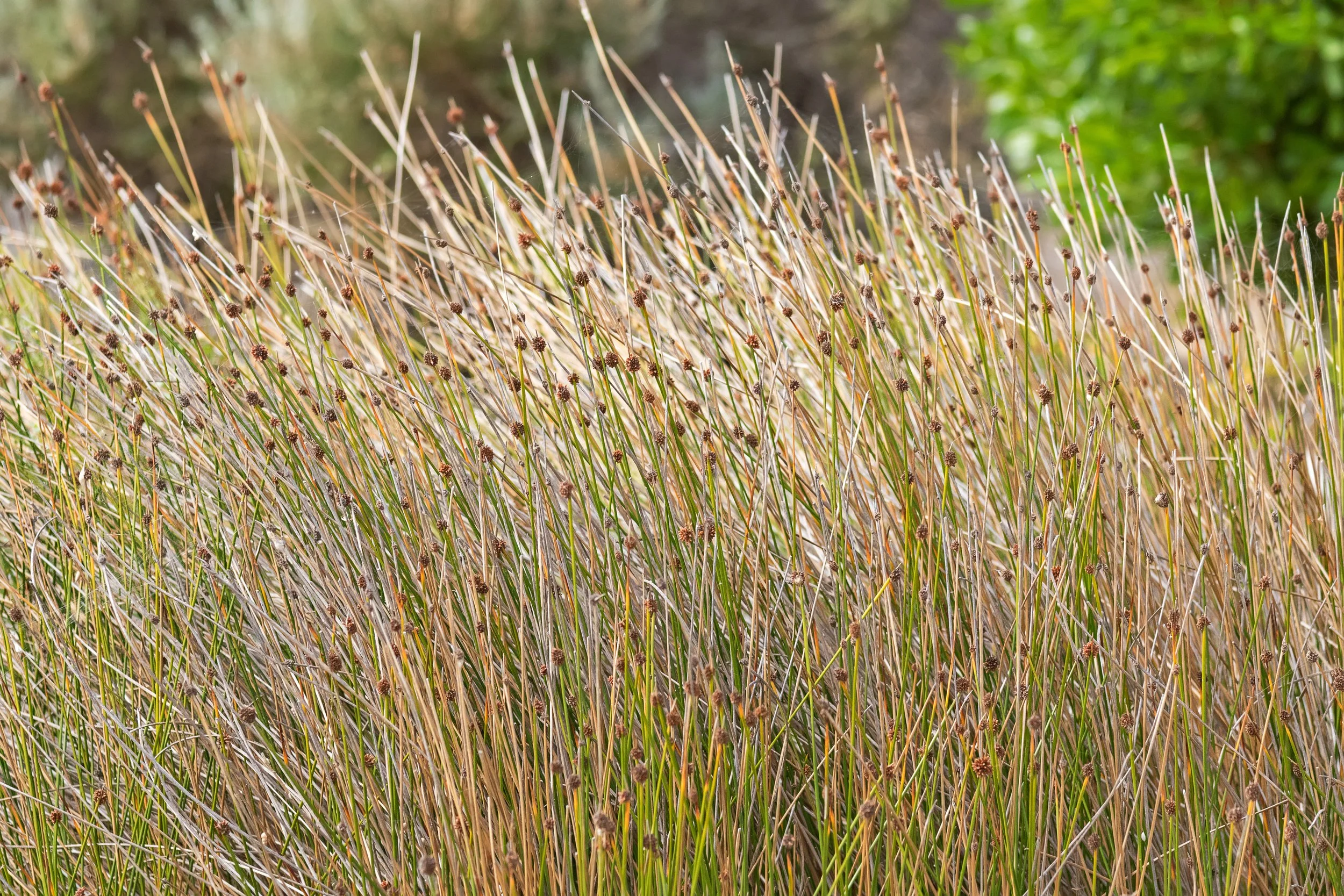
Plants such as Meeboldina ‘Fiddlesticks’, Lomandra hystrix, Juncus pallidus, Variegated Japanese Rush, Green Wedge, Ficinia nodosa (Knobby Club Rush) and Melaleuca thymifolia (Thyme Honey-myrtle) all help create excellent frog habitat. Rushes and grasses provide shelter around the water’s edge, while flowering natives attract insects that become a natural food source.
A few simple additions can make a big difference. Leave logs, rocks and leaf litter in the garden for shelter, avoid pesticides wherever possible, and include a shallow edge around ponds so frogs can easily enter and leave the water.
A frog friendly garden offers benefits well beyond frogs. It encourages pollinators, supports beneficial insects and creates a thriving ecosystem that works naturally to keep your garden healthy. With just a few thoughtful additions, you can enjoy the sights and sounds of native frogs while helping protect Australia’s unique wildlife for generations to come.
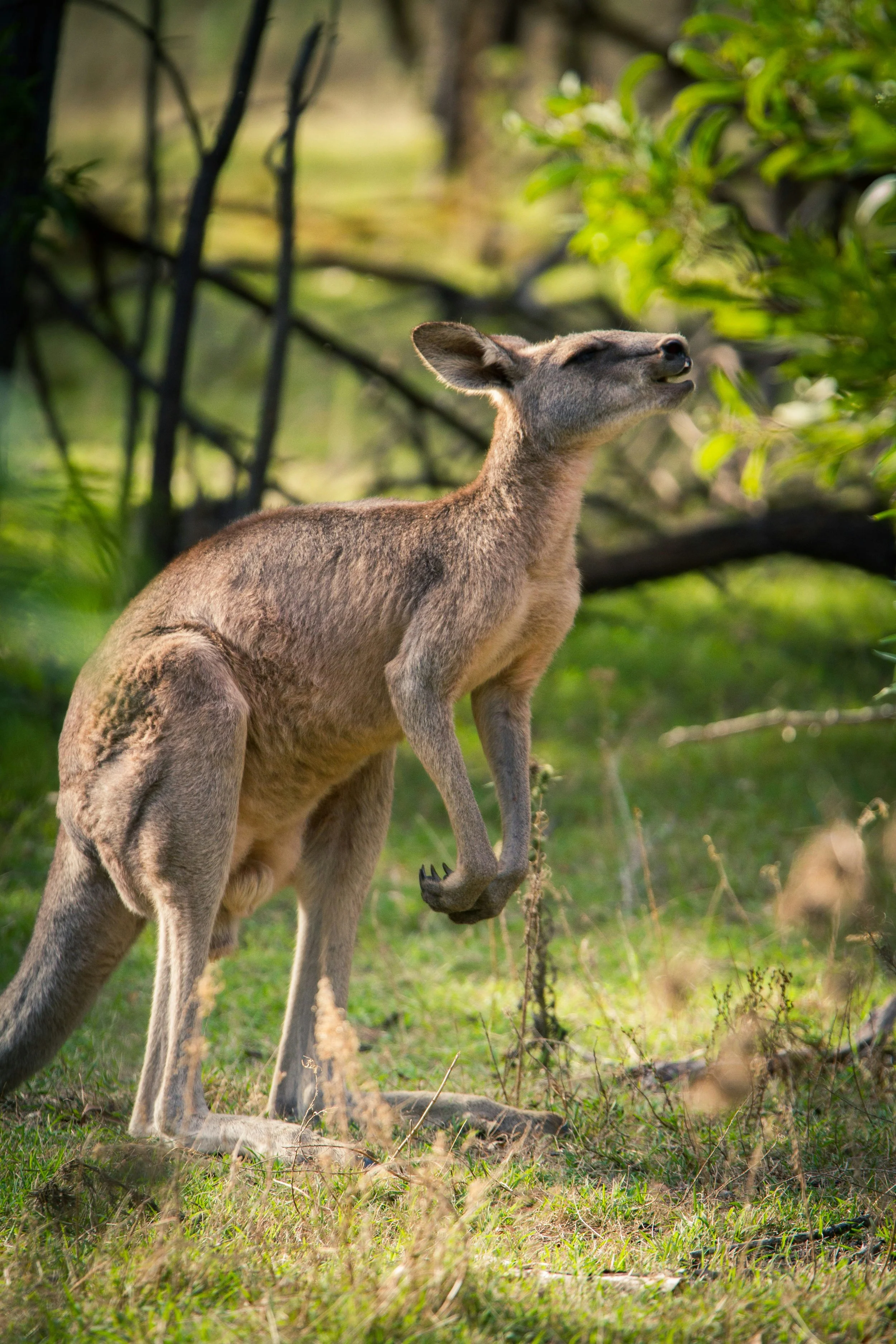
Kangaroo Hardy Plants for Rural Properties
Kangaroos are a familiar part of life across many rural properties. Although they may browse almost any plant during drought or periods of limited food, they often avoid strongly scented, prickly, tough or leathery plants.
Choosing kangaroo resistant plants can help establish gardens that require less protection while still providing colour, texture and year round interest.
Australian Native Shrubs
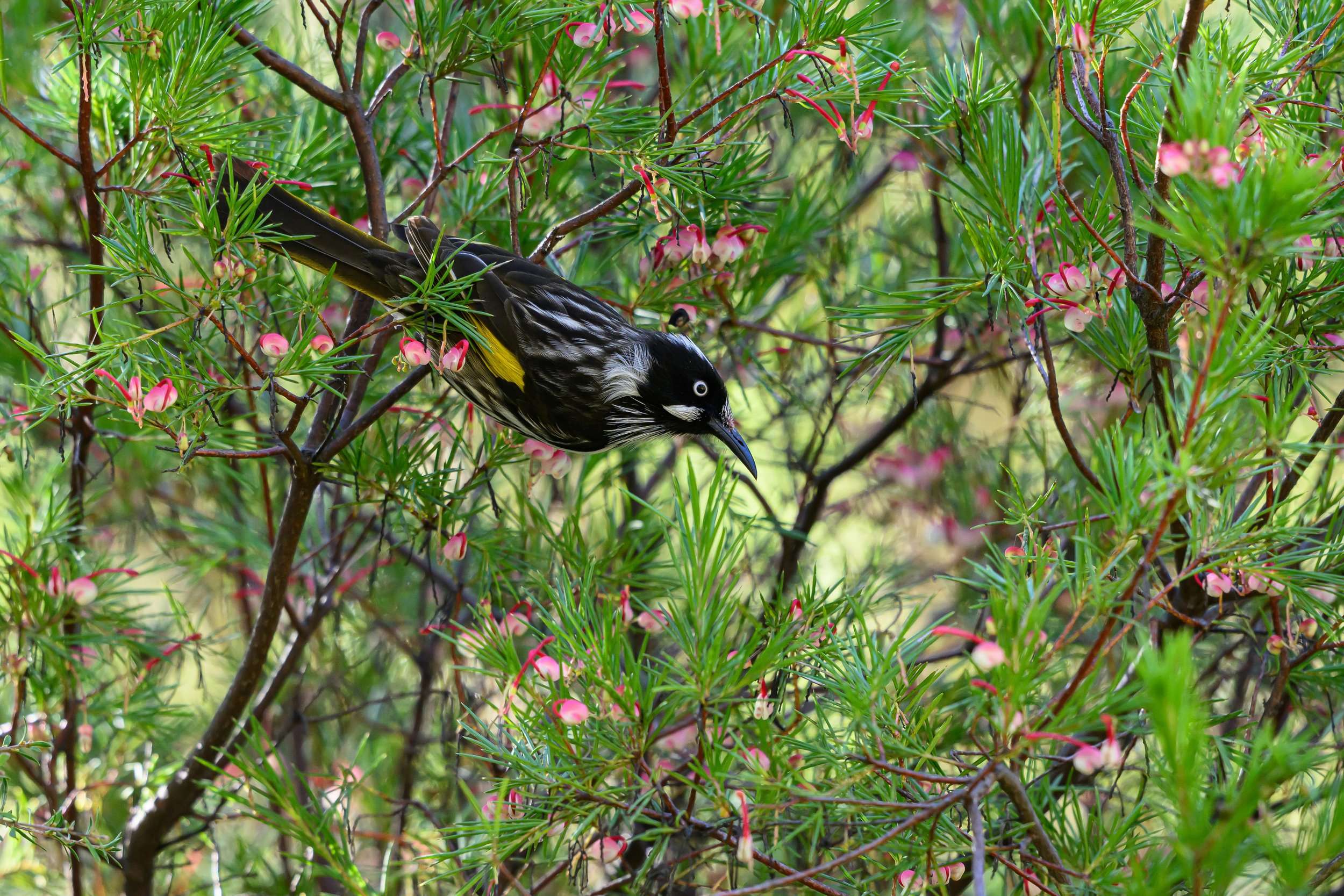
Many Australian natives perform exceptionally well in country gardens. Grevillea, callistemon, westringia, banksia and melaleuca provide habitat for wildlife and drought tolerance while generally being less attractive to kangaroos. Even plants native to South Africa such as Protea and leucadendron are usually not favoured by kangaroos.
Tough Strappy Plants
Lomandra, dianella, agapanthus, dietes, cordyline, yucca and agave provide strong architectural form and durable foliage. Their tough leaves make them a popular choice for gardens where kangaroo browsing is common.
Fragrant Plants
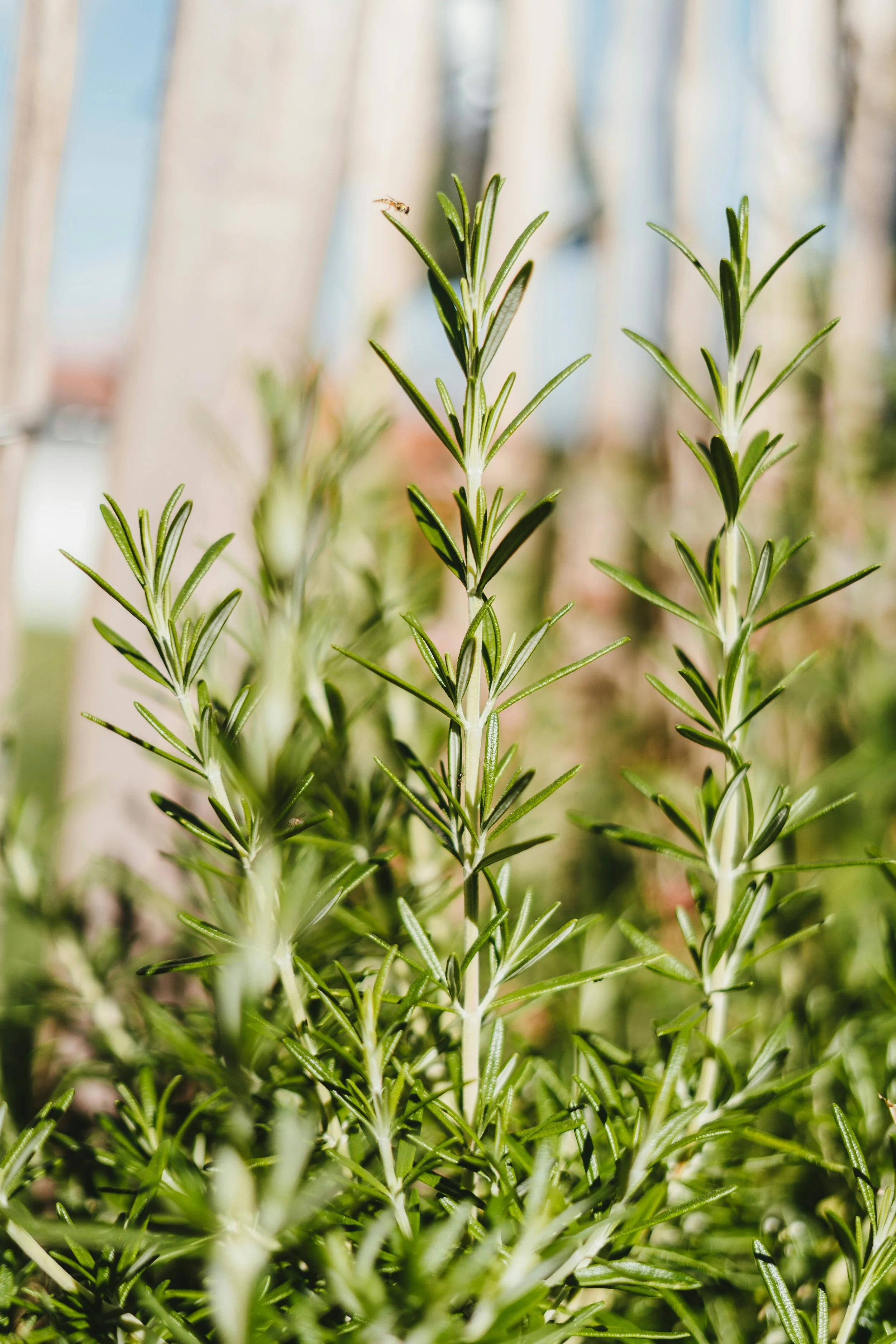
Highly scented plants such as lavender, rosemary, sage and salvia are often avoided by kangaroos and work beautifully in cottage gardens, pathways and mixed borders.
Trees and Larger Shrubs
For larger gardens and rural landscapes, olive trees, magnolia grandiflora, crepe myrtles and blueberry ash provide shade, screening and seasonal interest while generally experiencing less browsing pressure.
Best Plants for Dungog Properties
Lomandra | Dianella | Westringia | Grevillea | Callistemon | Lavender | Agapanthus | Dietes |Banksia | Protea | Leucadendron
These plants are generally tough, drought tolerant and better suited to properties where kangaroos are present. By selecting resilient species, gardeners can create attractive landscapes that work with the local environment rather than against it.